Off to Waldlehrpfad Gross Pankow (Gross Woltersdorf) Prignitz
An Outing in Pictures
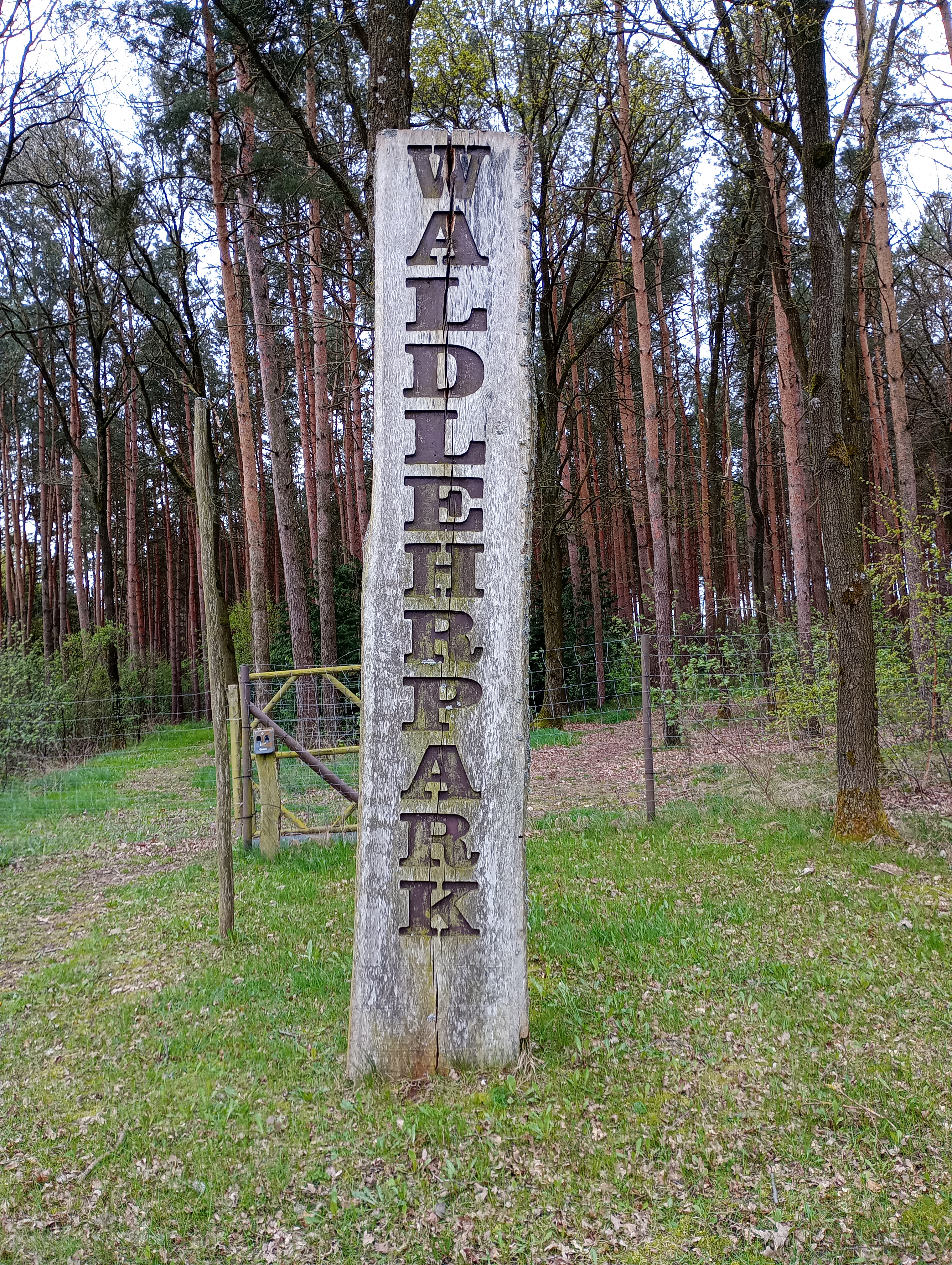
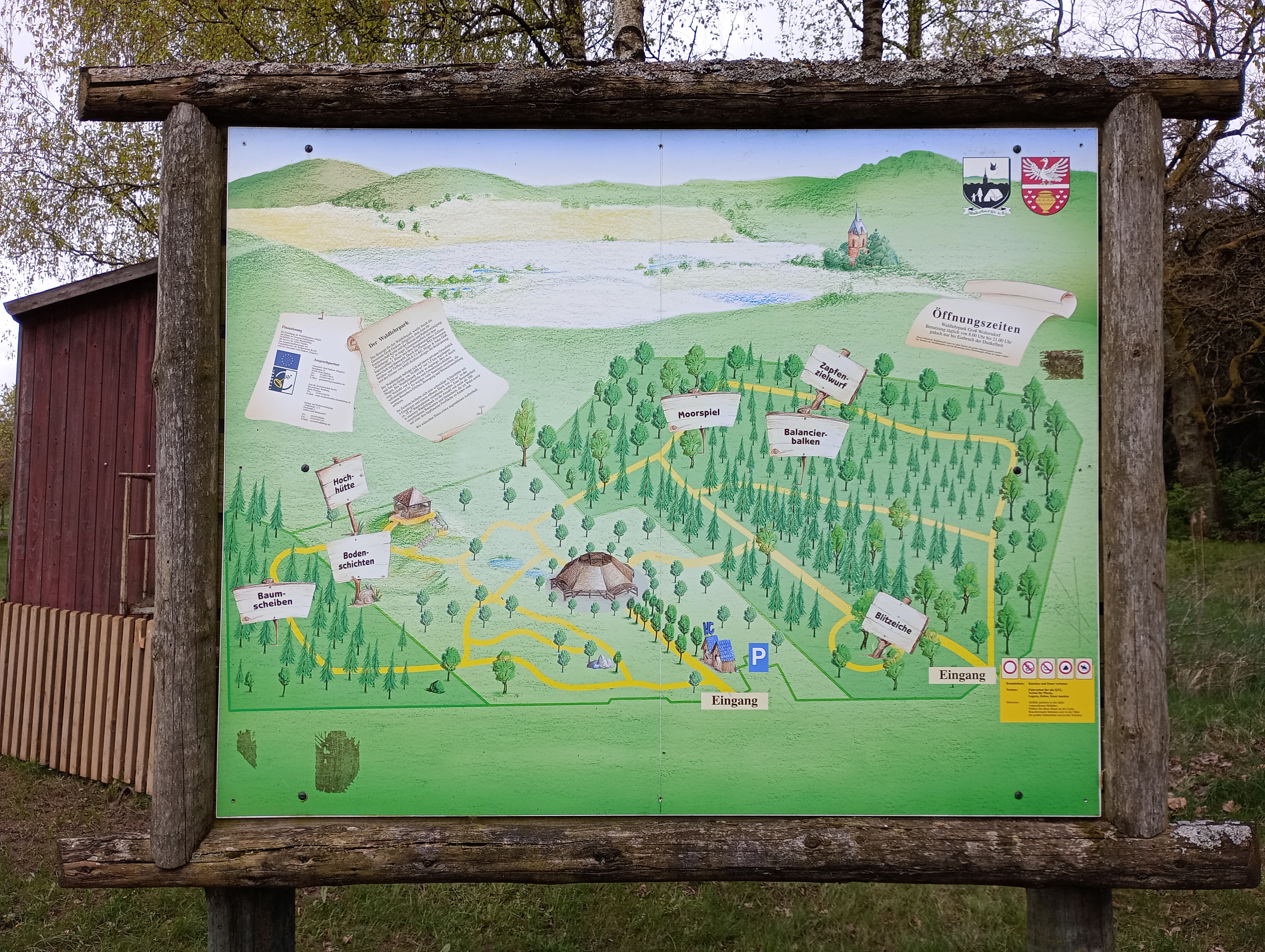
a trip to Waldlehrpfad in the district of Prignitz took place recently. A couple thousand square-meters large, the park provides information on forests and its wildlife surrounded by a beautiful landscape.
It is amazing what has been built to teach people stuff about nature. A lovely opportunity to learn.
Buildings and landscape
Photography
Stuffed bear
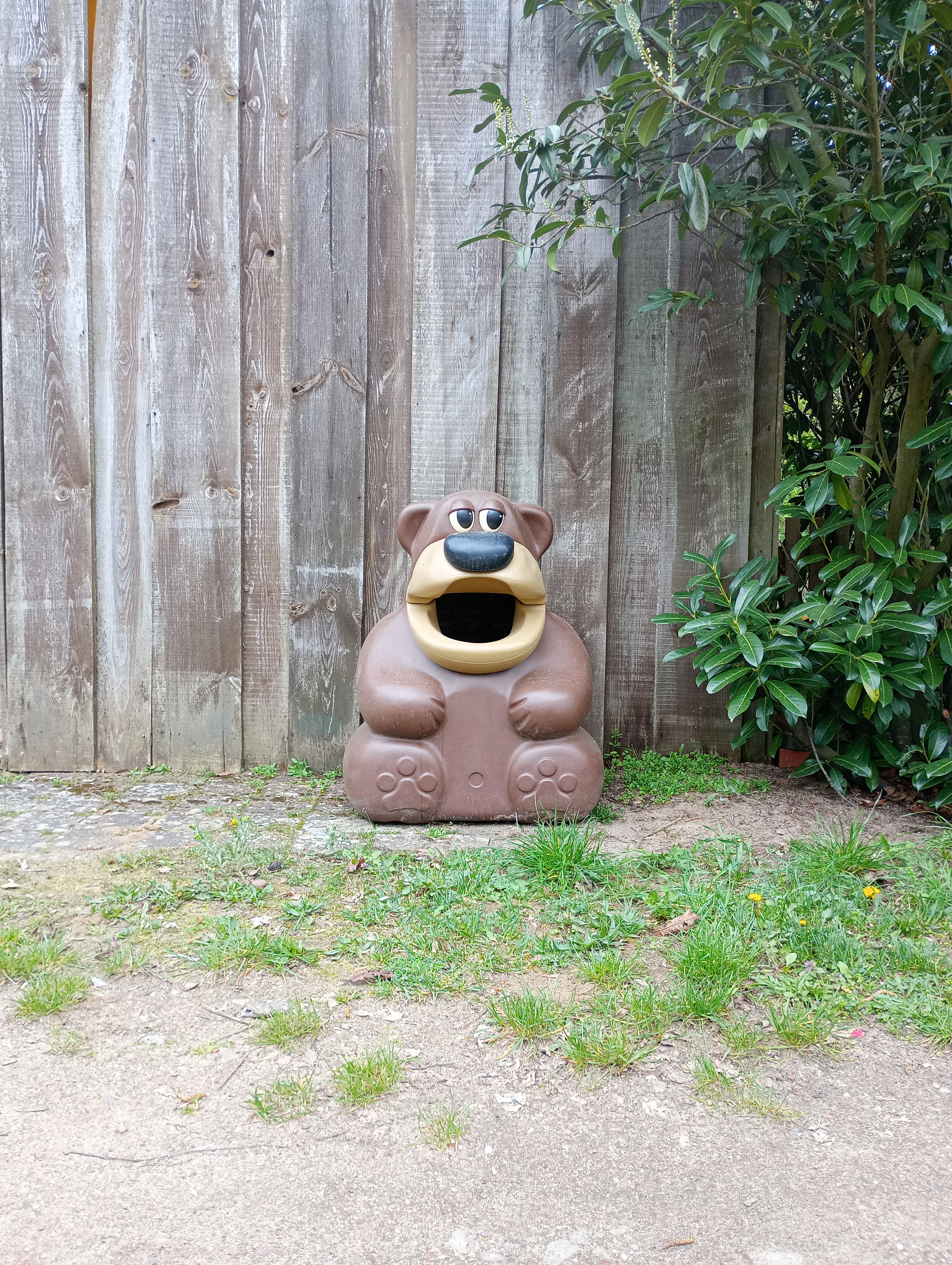
What is the educational background of this?
Amphitheatre
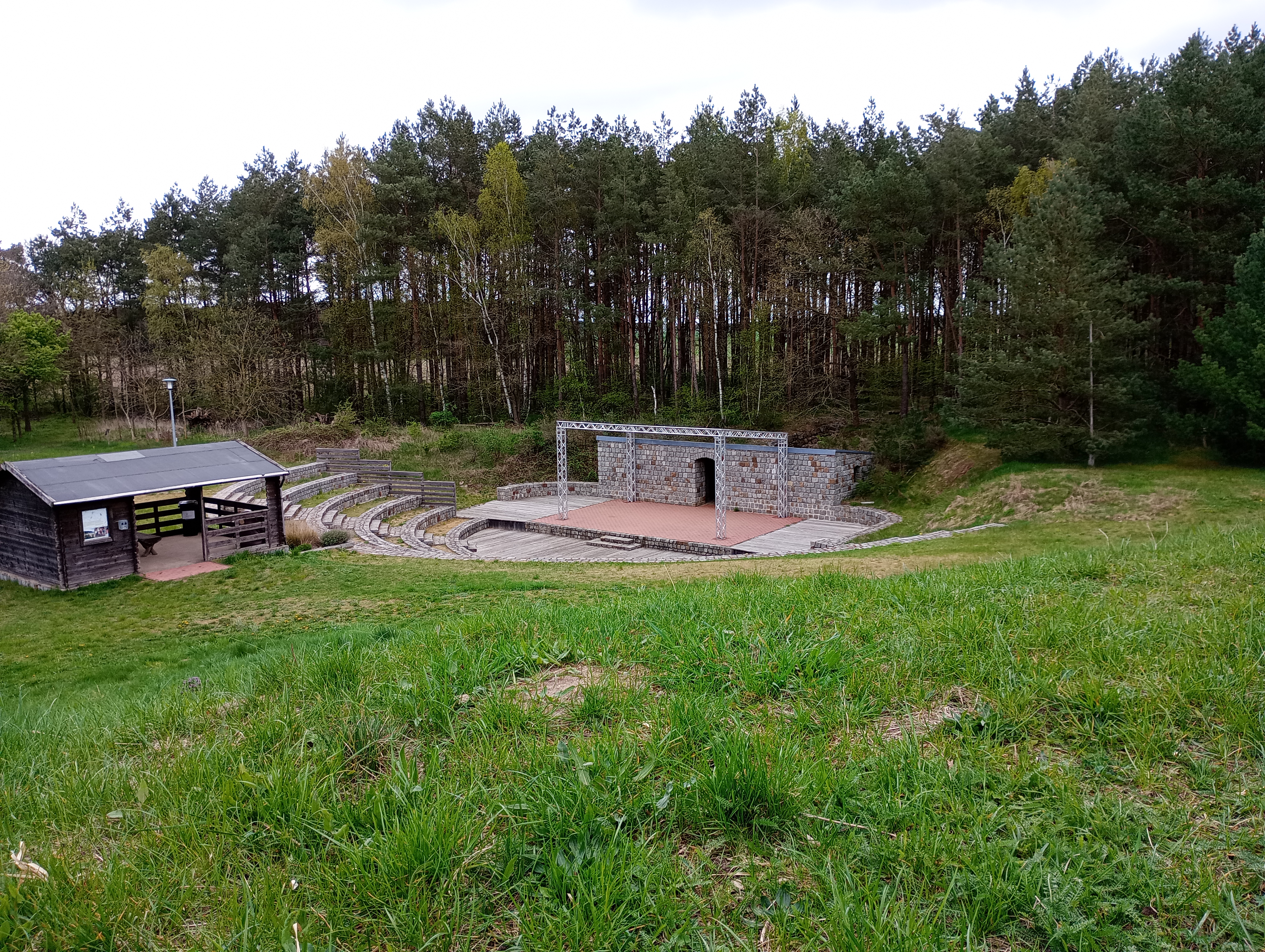
I mostly enjoy the symmetry of this building.
Maze
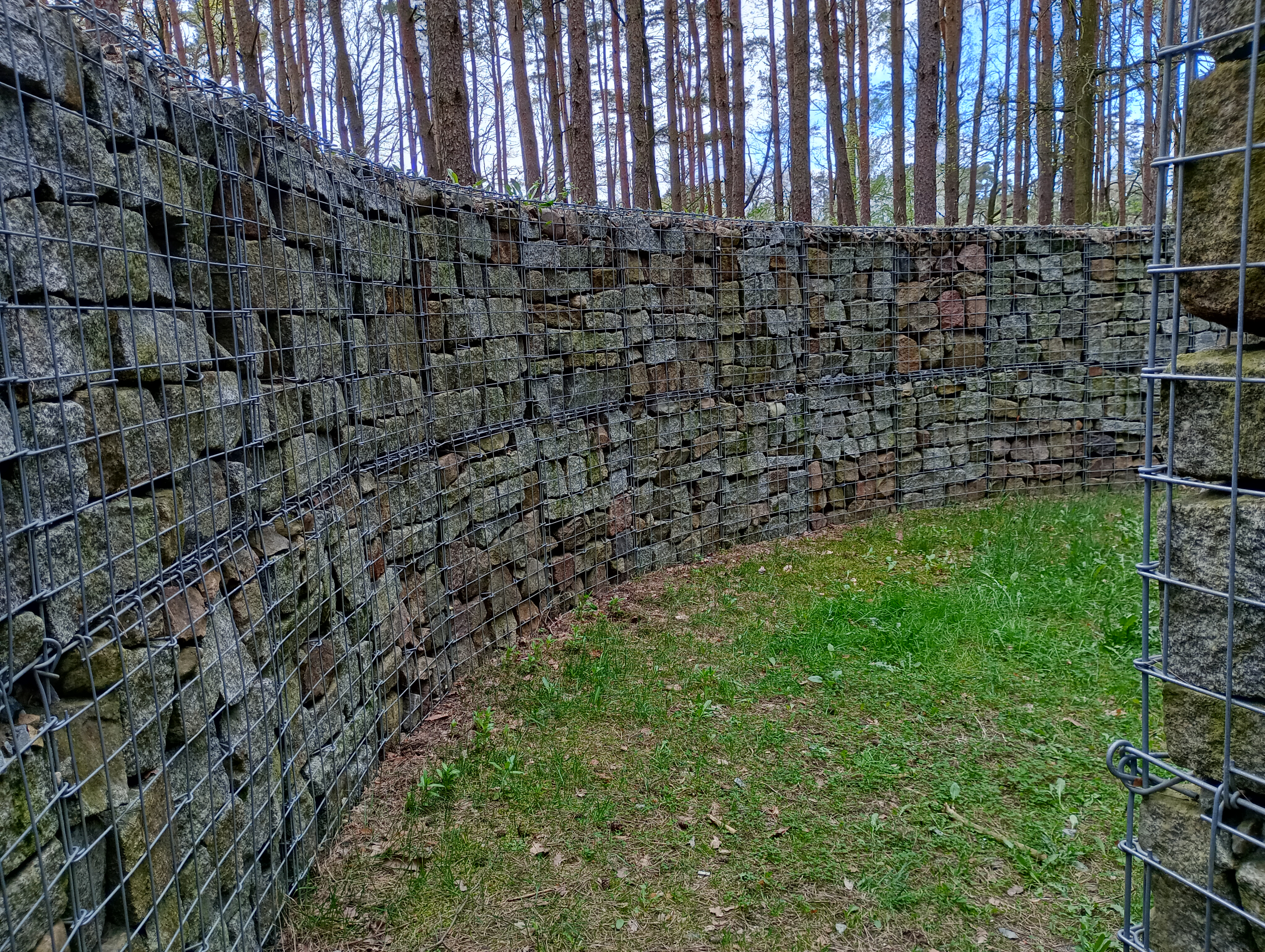
Even though I didn't take the time to sit down and dwell, I imagine it must be a great experience to sit in this structure encircled by this wall completely focusing on the sound of the surrounding forest. What a lovely installation.
On forestry
The Why
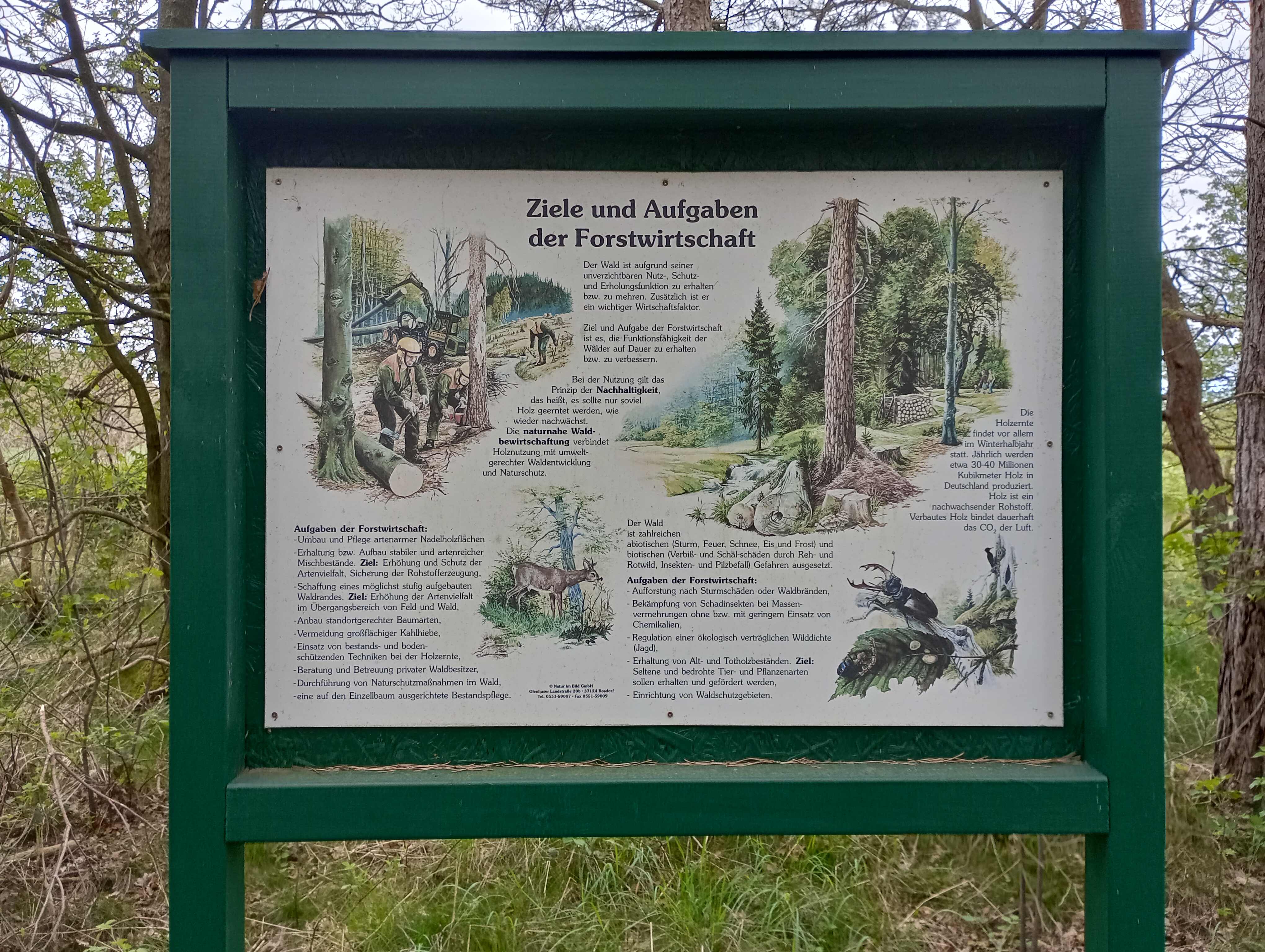
What does forestry do, and why? Regarding recent proceedings in climate warming and calamities, these goals seem a bit outdated.
- Aufforstung
- Insektenbekämpfung
- Wildregulation
- Baumerhaltung
- Baumernte
- Waldschutzgebiete
The many living rooms
habitats
All creatures are made such they can do things to make their living in this world, to give their life meaning.
Some food, protection from weather and hazards, to find a partner, to pass on their genes, to find a sleeping place.
We all make a living, and here is a few examples of living rooms.
The big circle
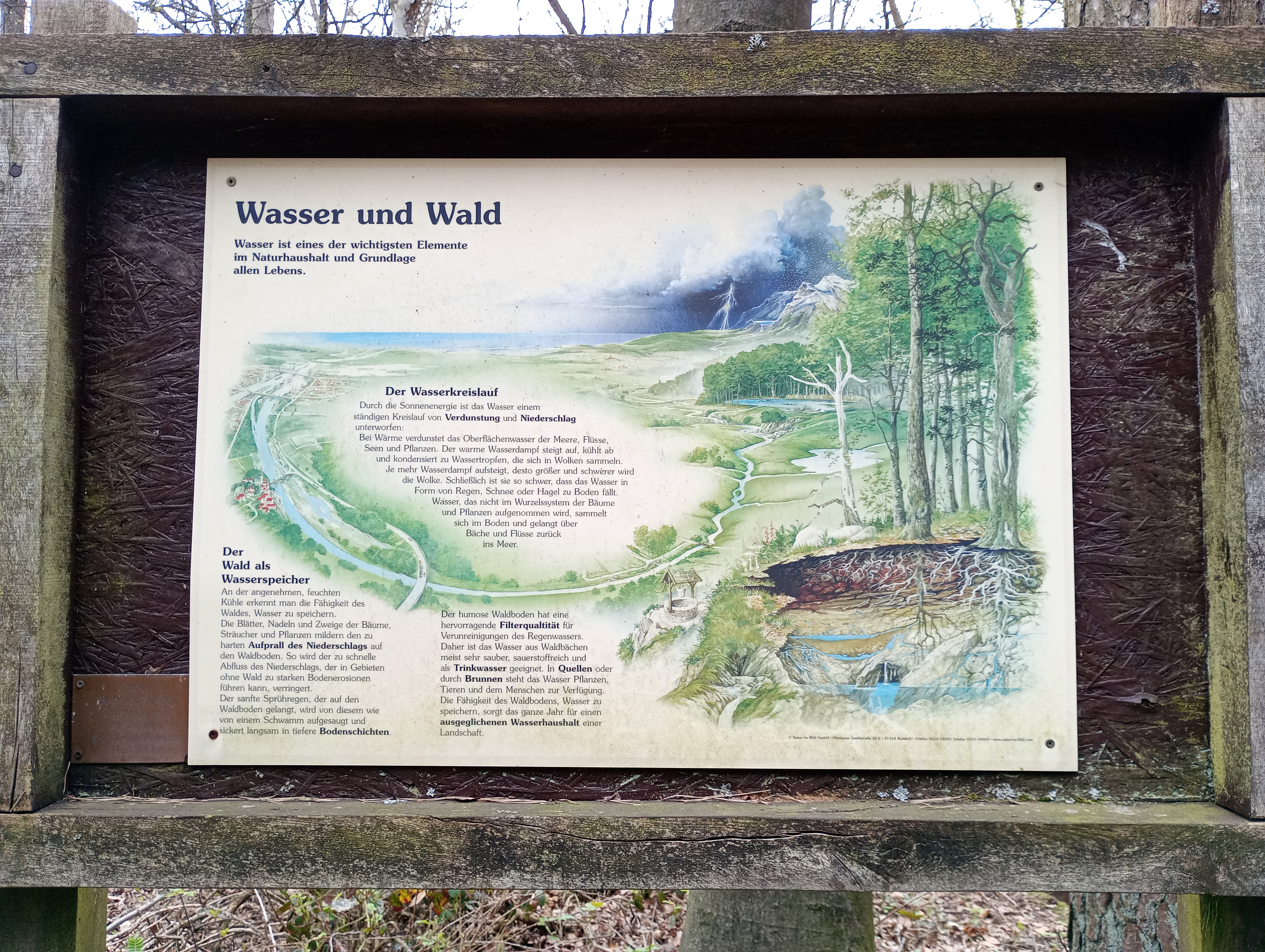
Water
From rain into the ground and back up into the sky: Water travels a lot creaating a circle we all depend on.
Living in a log house
Even when life leaves the tree, life goes on. A dead log is home to several creatures.
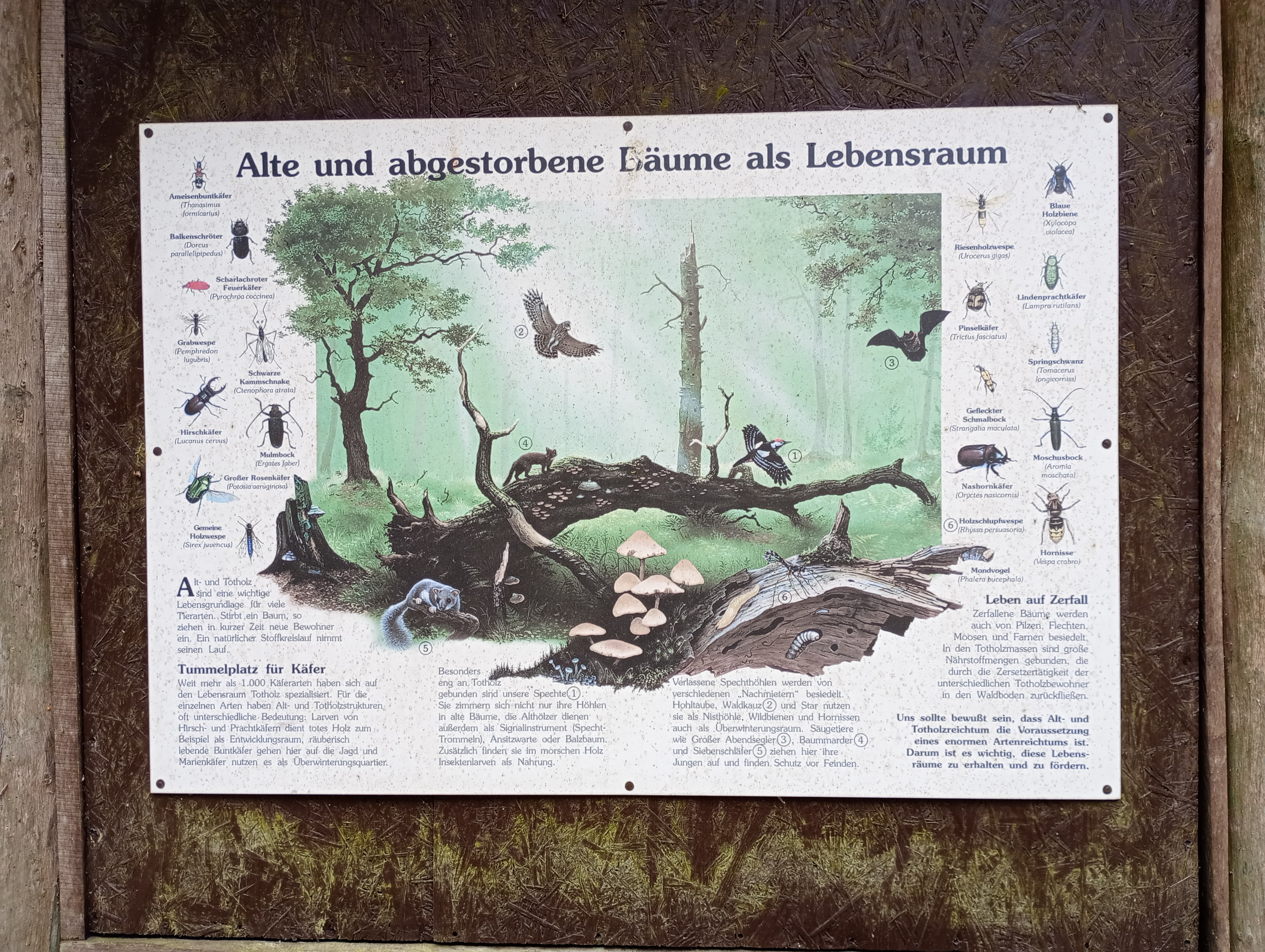
- Ameisenbuntkäfer
- Balkenschröter
- Feuerkäfer
- Grabwespe
- Kammschnake
- Hirschkäfer
- Mulmbock
- Holzwespe
- Rosenkäfer
- Riesenholzwespe
- Holzbiene
- Lindenprachtkäfer
- Pinselkäfer
- Springschwanz
- Schmalbock
- Moschusbock
- Nashornkäfer
- Hornisse
- Holzschlupfwespe
- Spechte
- Hohltaube
- Waldkauz
- Abendsegler
- Baummarder
- Siebenschläfer
The anatomy of a log
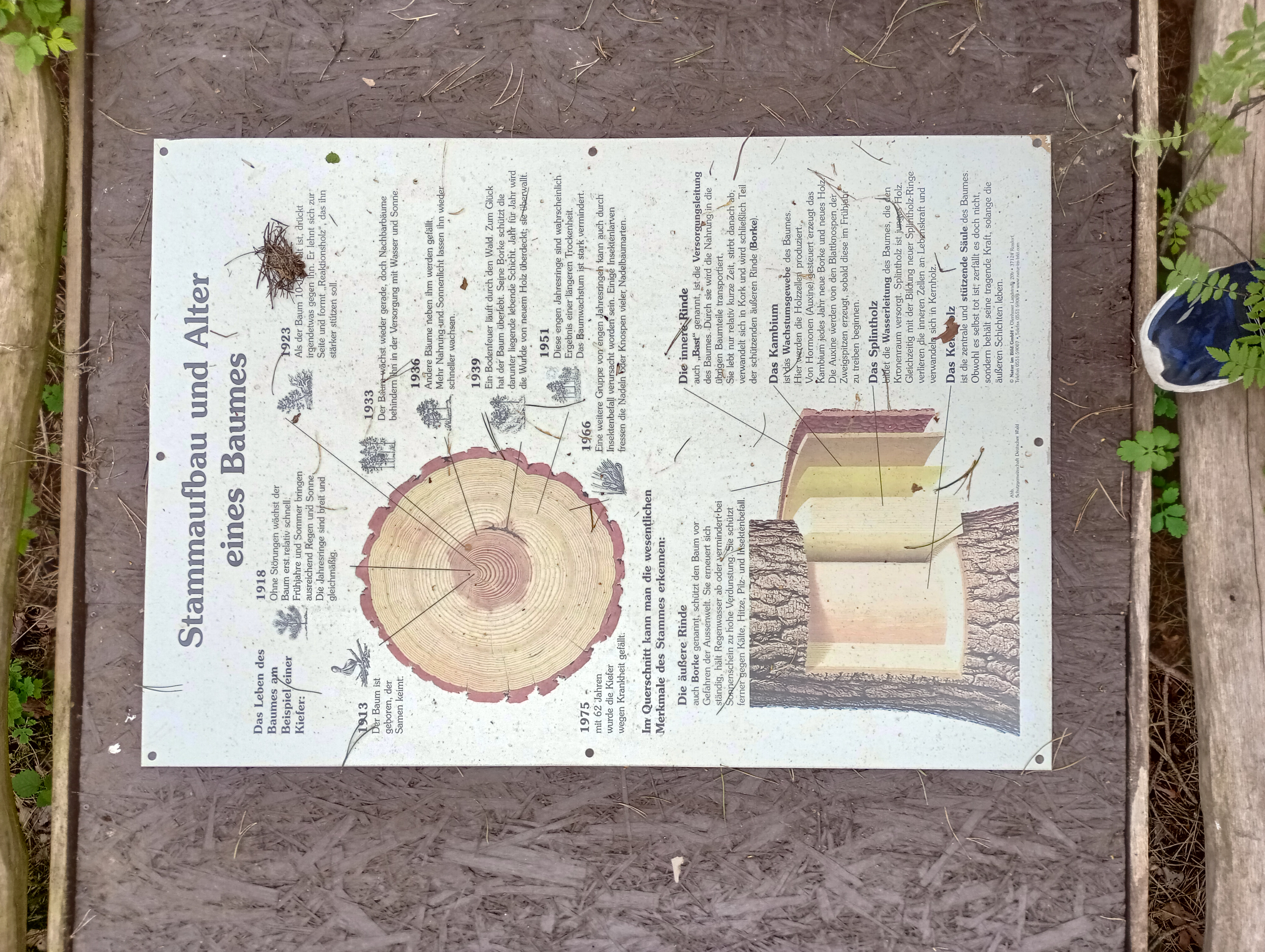
A tree log has many layers starting with the core up until the outter layer that protects the tree from weather and animals. A tree grows outwardly, only the Bast transports sugar.
- Layers of a tree
- Borke
- Bast
- Kambium
- Splintholz
- Kernholz
Living in a pile
Brushwood piles
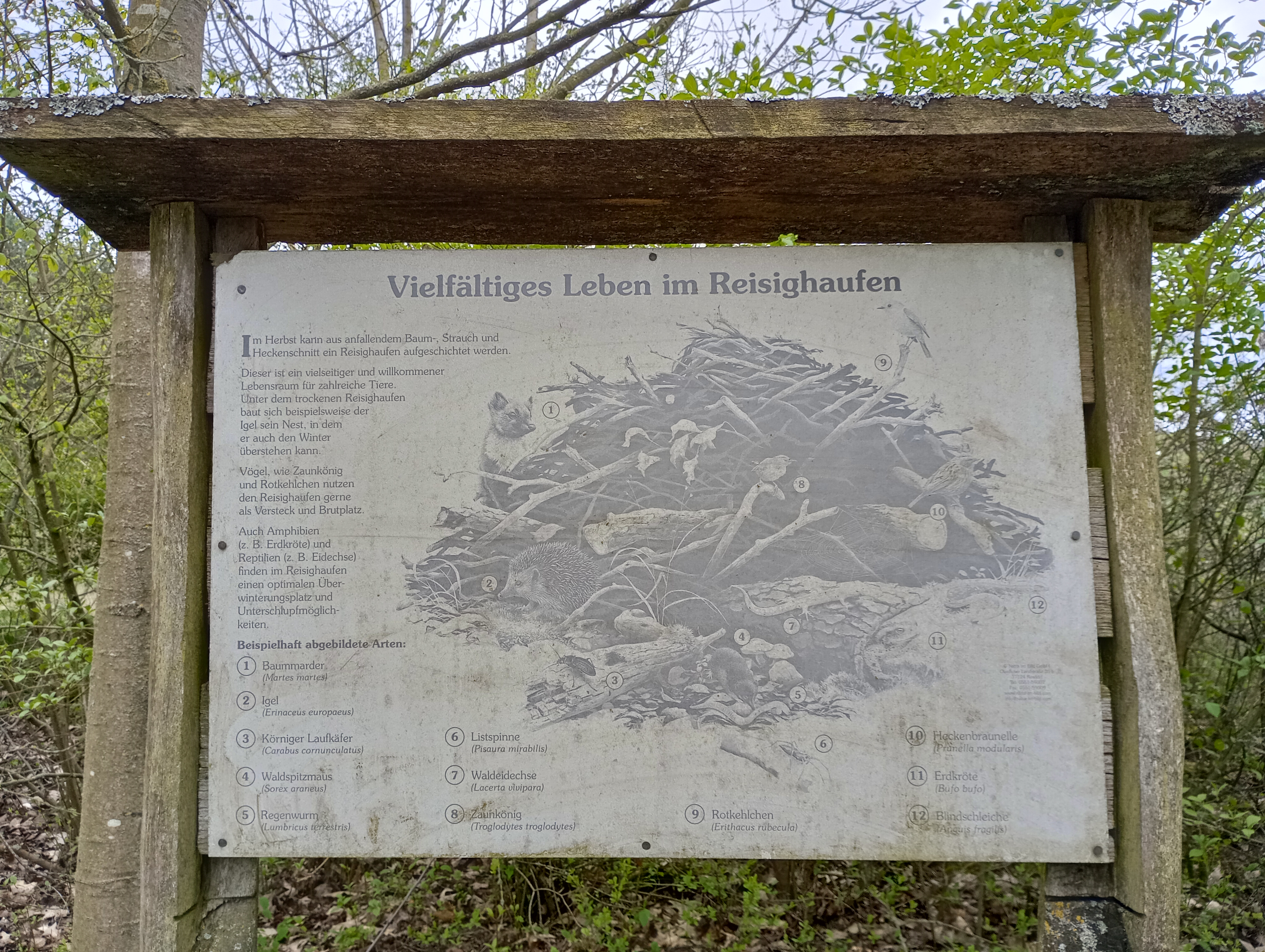
Many animals call a brushwood pile their home. Among them are:
- Säugetiere
- Baummarder
- Igel
- Waldspitzmaus
- Käfer
- Laufkäfer
- Spinnen
- Listspinne
- Würmer
- Regenwurm
- Reptilien
- Waldeidechse
- Vögel
- Zaunkönig
- Rotkehlchen
Stone piles
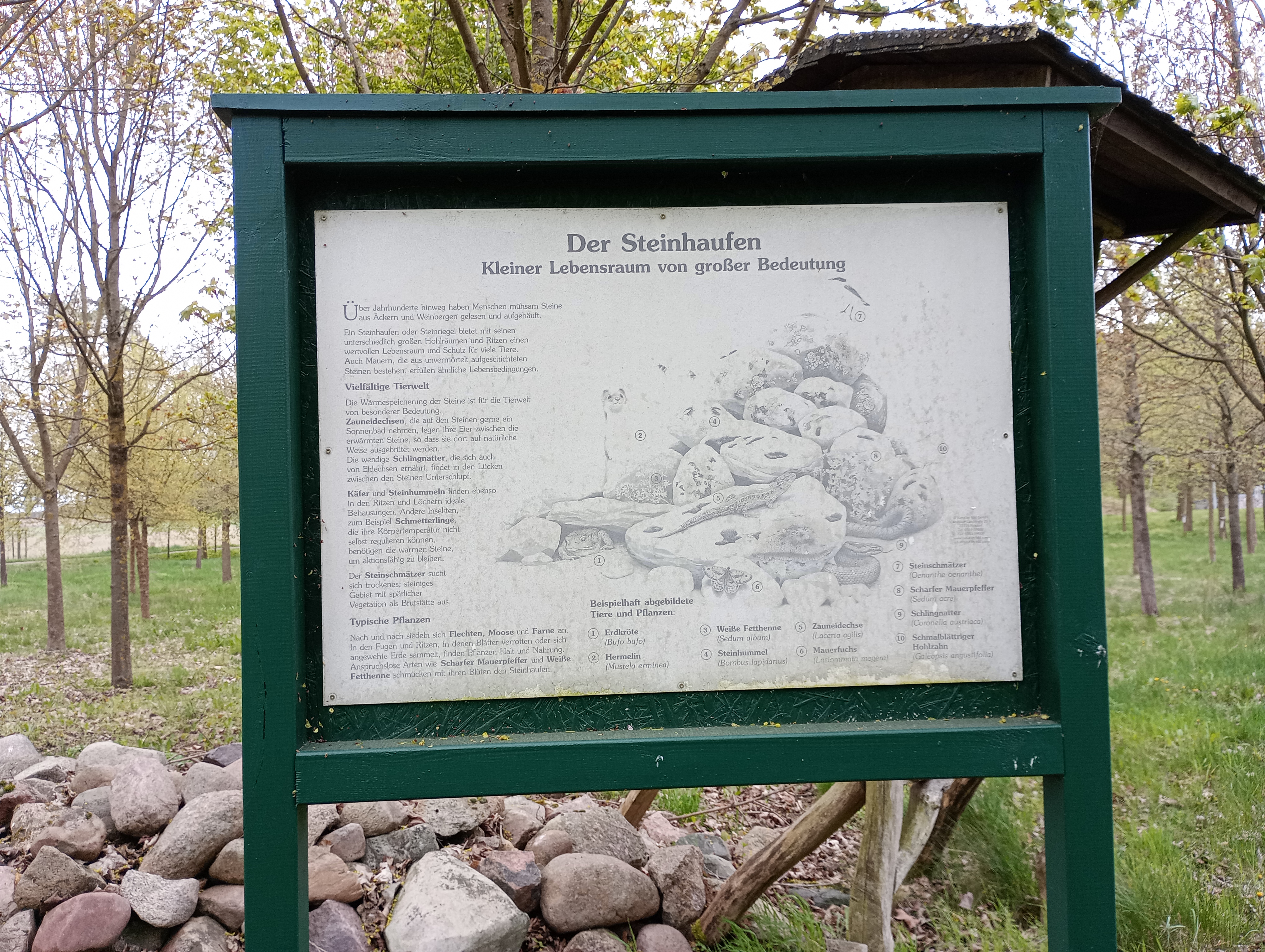
Even seemingly cold and rough stones can afford to a cozy home.
- Amphibians
- Erdkröte
- Säugetiere
- Hermelin
- Reptilien
- Zauneidechse
- Schlingelnatter
- Insekten und Käfer
- Steinhummel
- Mauerfuchs
- Vögel
- Steinschmätzer
- Pflanzen
- Fetthenne
- Mauerpfeffer
- Hohlzahn
Living onn plants
Trees
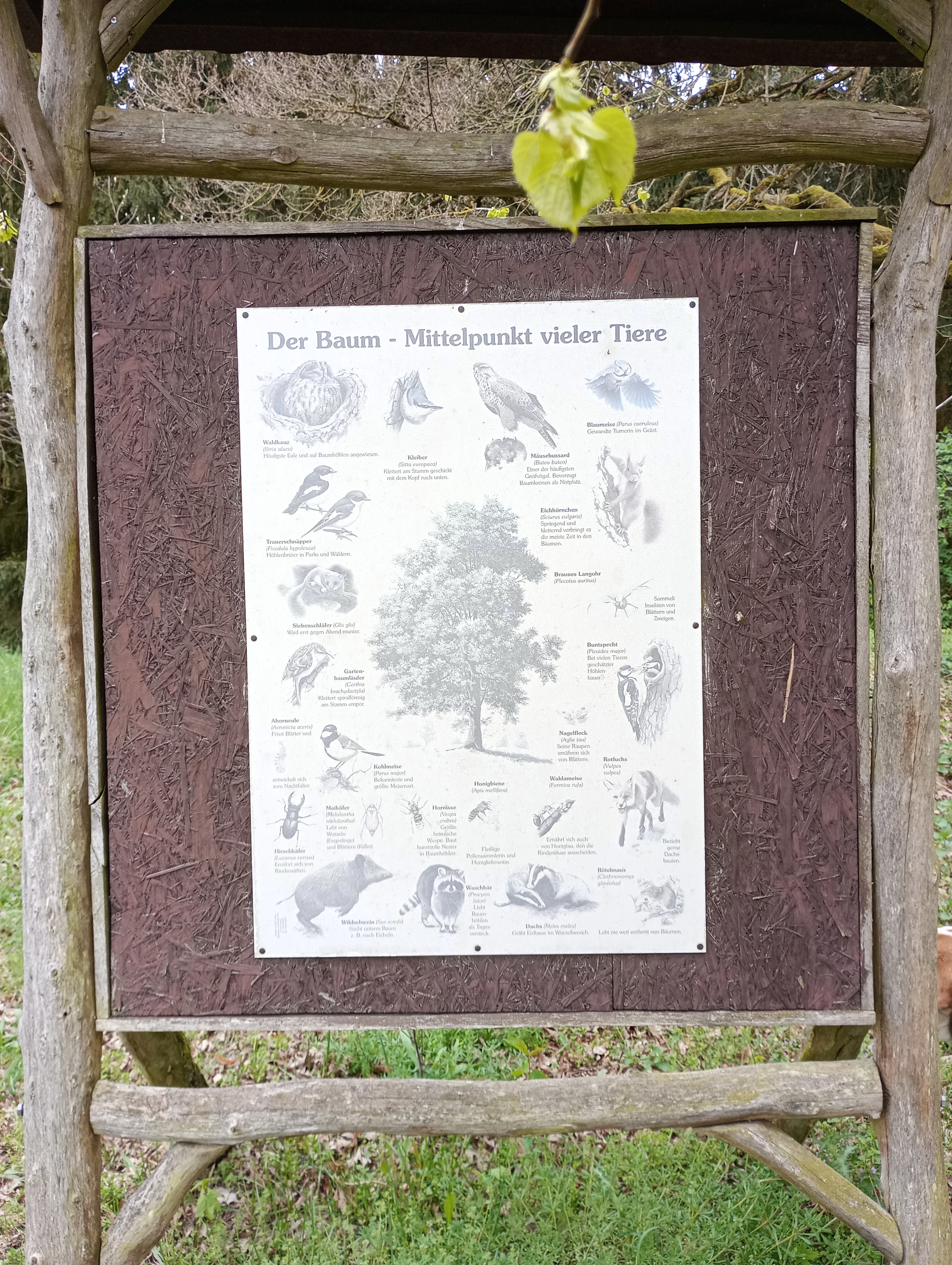
Trees make a good home for a range of animals.
- Birds
- Waldkauz
- Trauerschnäpper
- Gartenbaumläufer
- Kohlmeise
- Buntspecht
- Blaumeise
- Mäusebussard
- Kleiber
- Säugetiere
- Eichhörnchen
- Fledermäuse
- Füchse
- Rötelmaus
- Waschbären
- Dachse
- Wildschweine
- Siebenschläfer
- Insekten und Käfer
- Ahorneule
- Hirschkäfer
- Maikäfer
- Hornisse
- Honigbiene
- Waldameise
- Nagelfleck
Living with water
Water is highly needed for life to emerge, but for some it is even more. Several living beings commute between wet life and dry life. The smallest patch of water can be home to millions of tiny creatures.
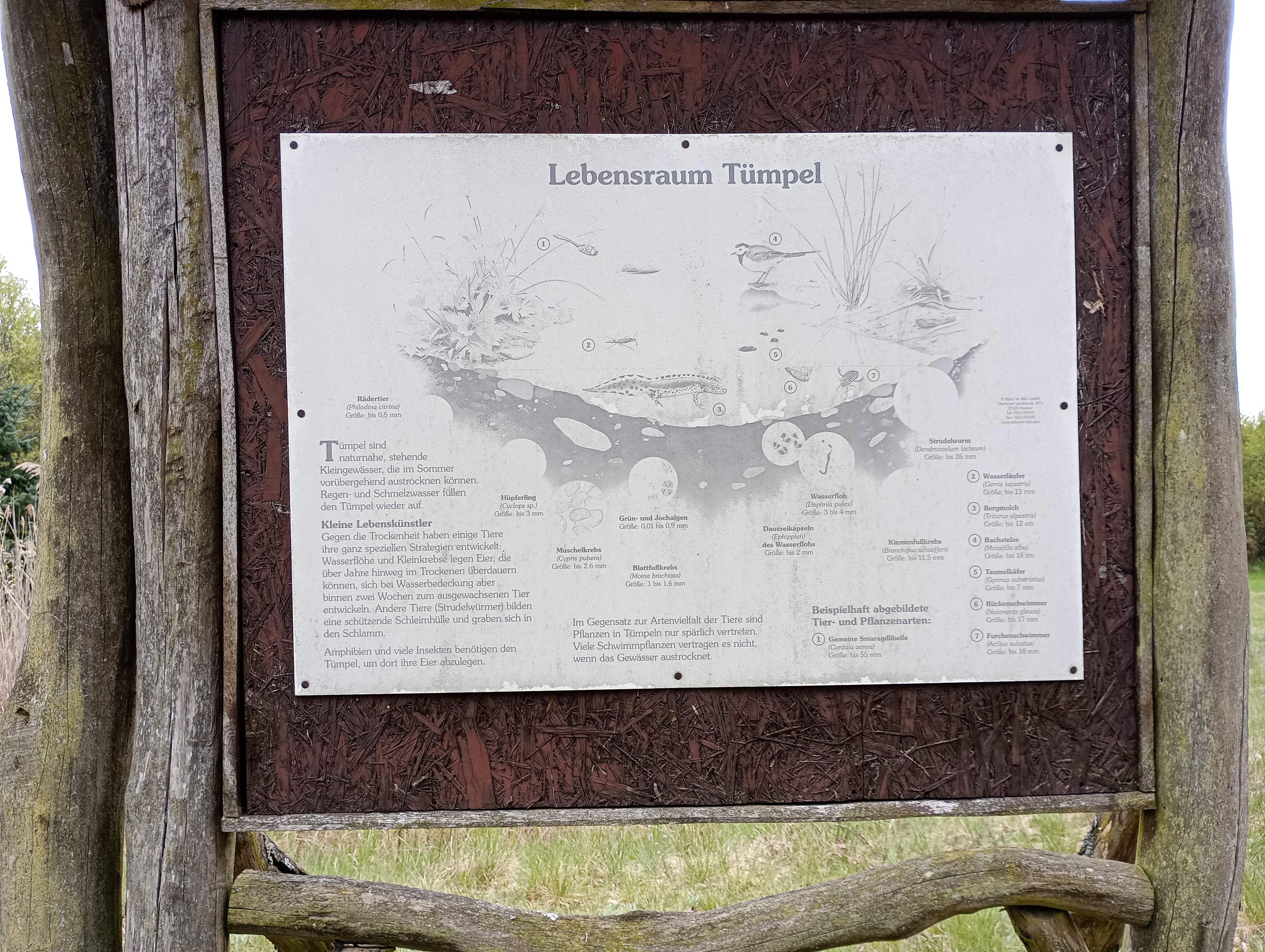
- Vögel
- Bachstelze
- Amphibien
- Bergmolch
- Krebse
- Hüpferling
- Muschelkrebs
- Blattfusskrebs
- Wasserfloh
- Kiemenfusskrebs
- Würmer
- Strudelwurm
- Insekten
- Wasserläufer
- Rückenschwimmer
- Furchenschwimmer
- Algen
- Grünalgen
- Jochalgen
Made by hand
Insektenhotels
Mankind can do harm and good. The tiniest good action can help others have a better life.
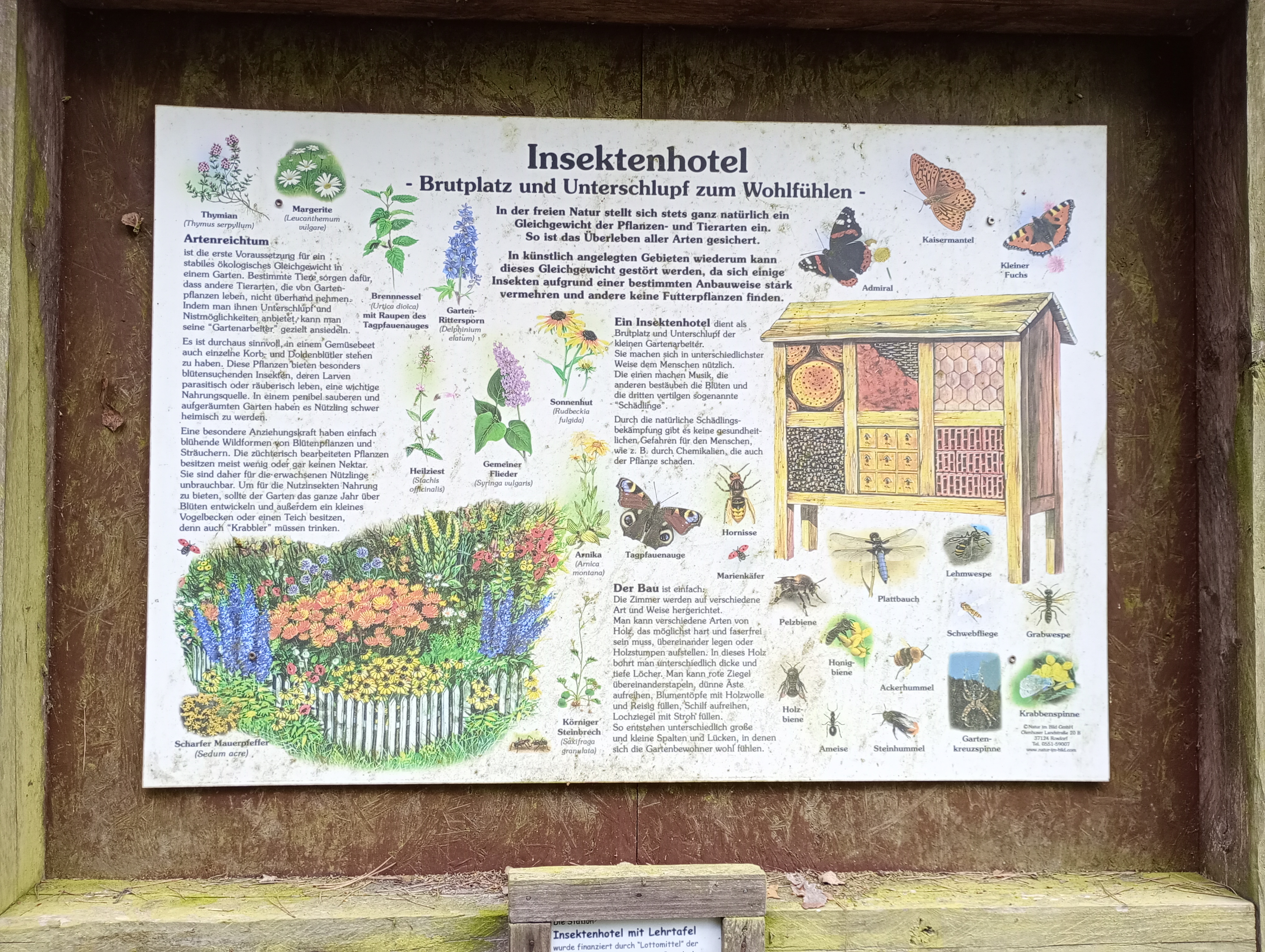
Species descriptions
A few portraits of various specimen. Knowing about those that share space with me is fun, even though I struggle memorising them all.
Plants
Plants are widespread, fundamental to living on earth and their ability to use light rays emanating from a star (the sun) that is a few millions kilometers away is just astonishing and mind-boggling. We can still learn so much from functioning, successfull adaptions in the living world.
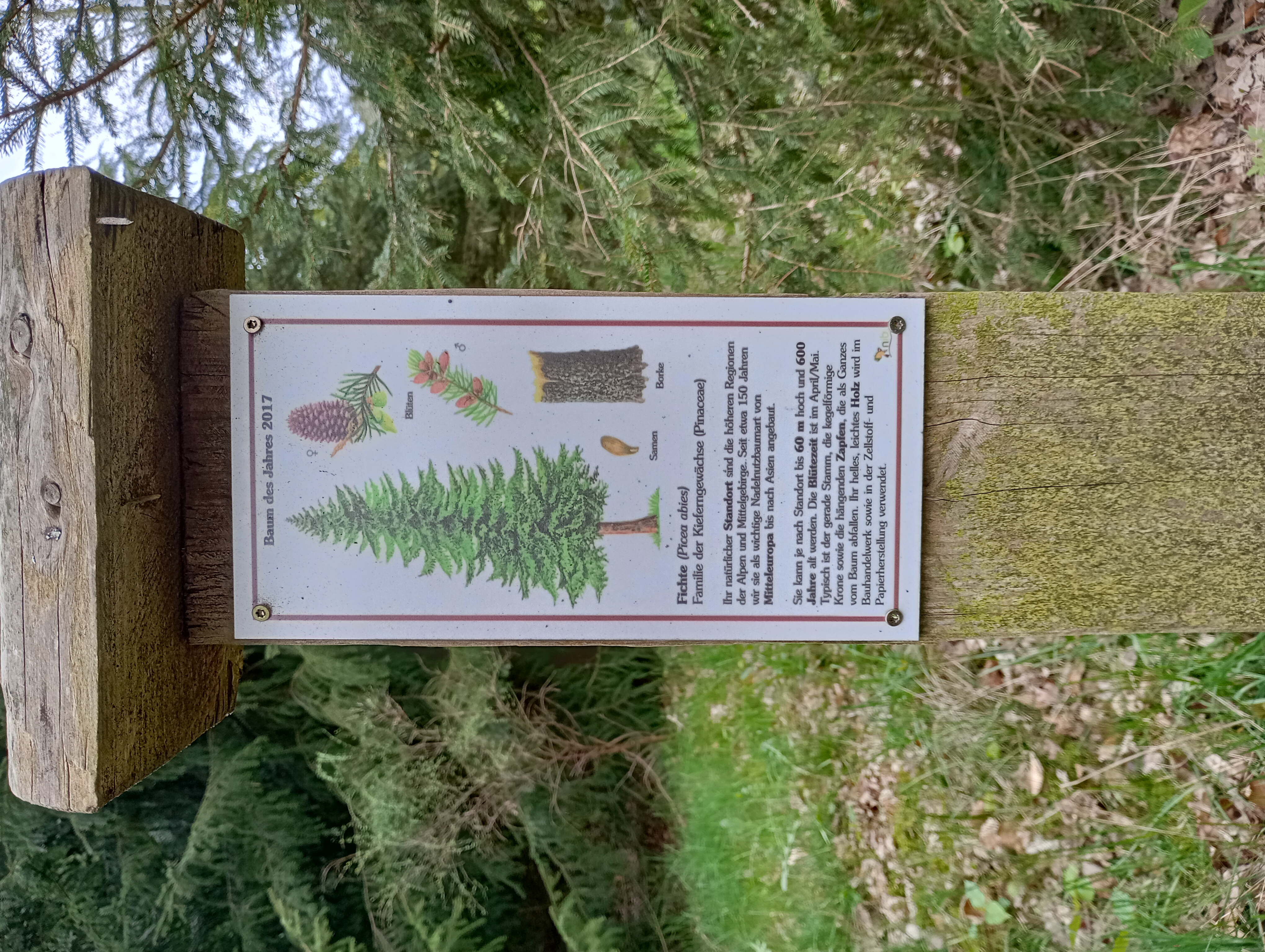
Fichte
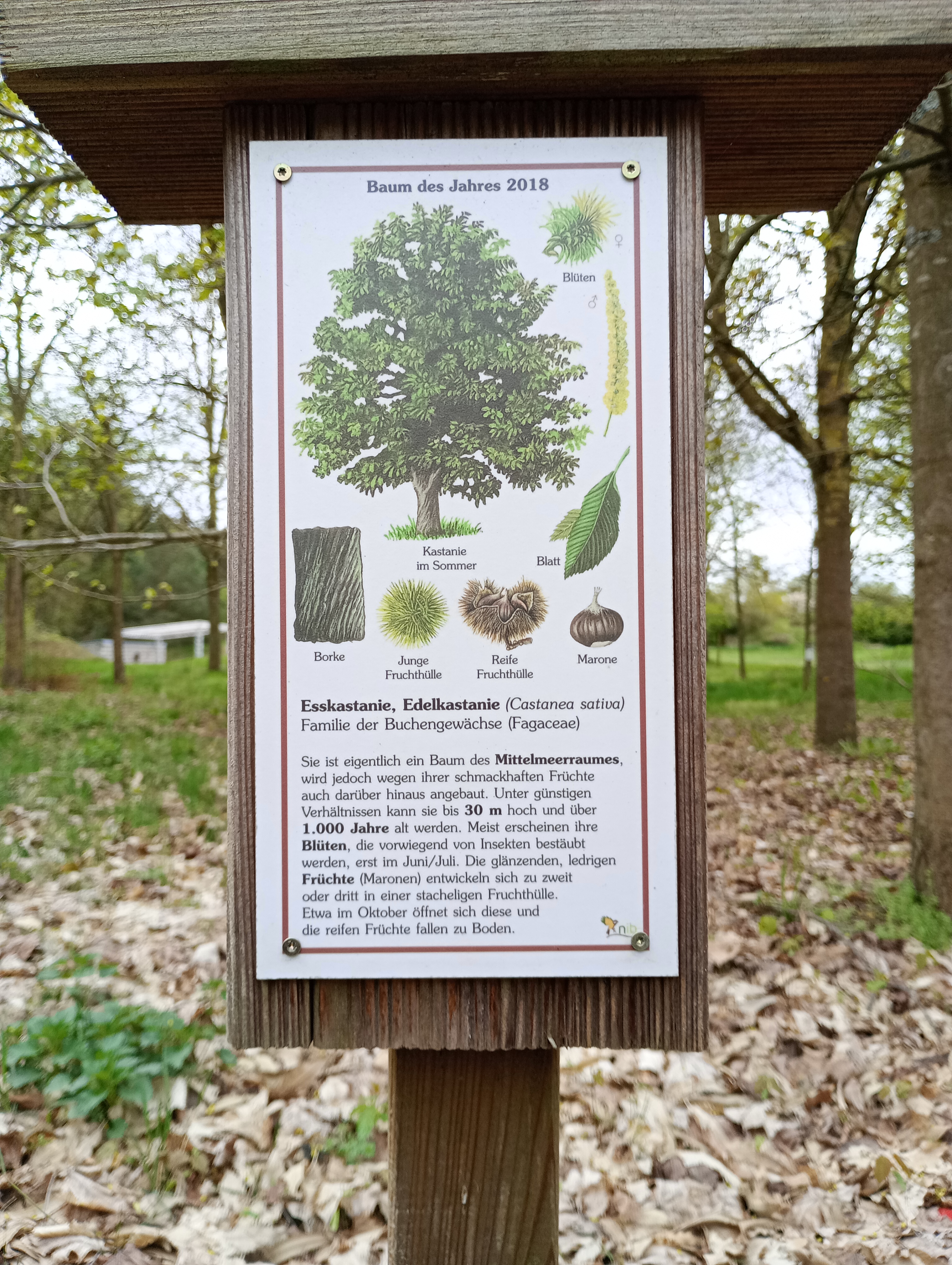
Edelkastanie
Mushrooms
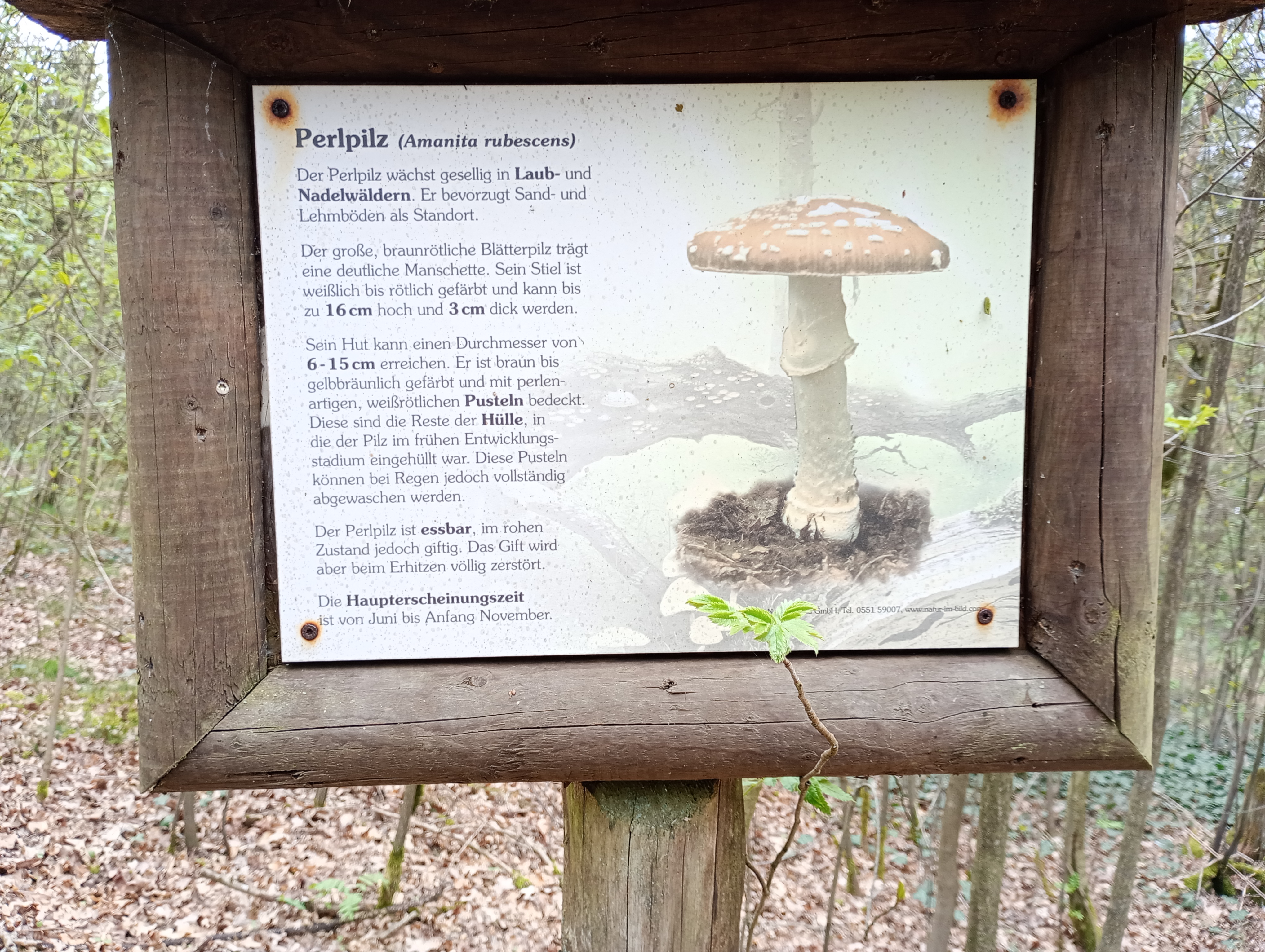
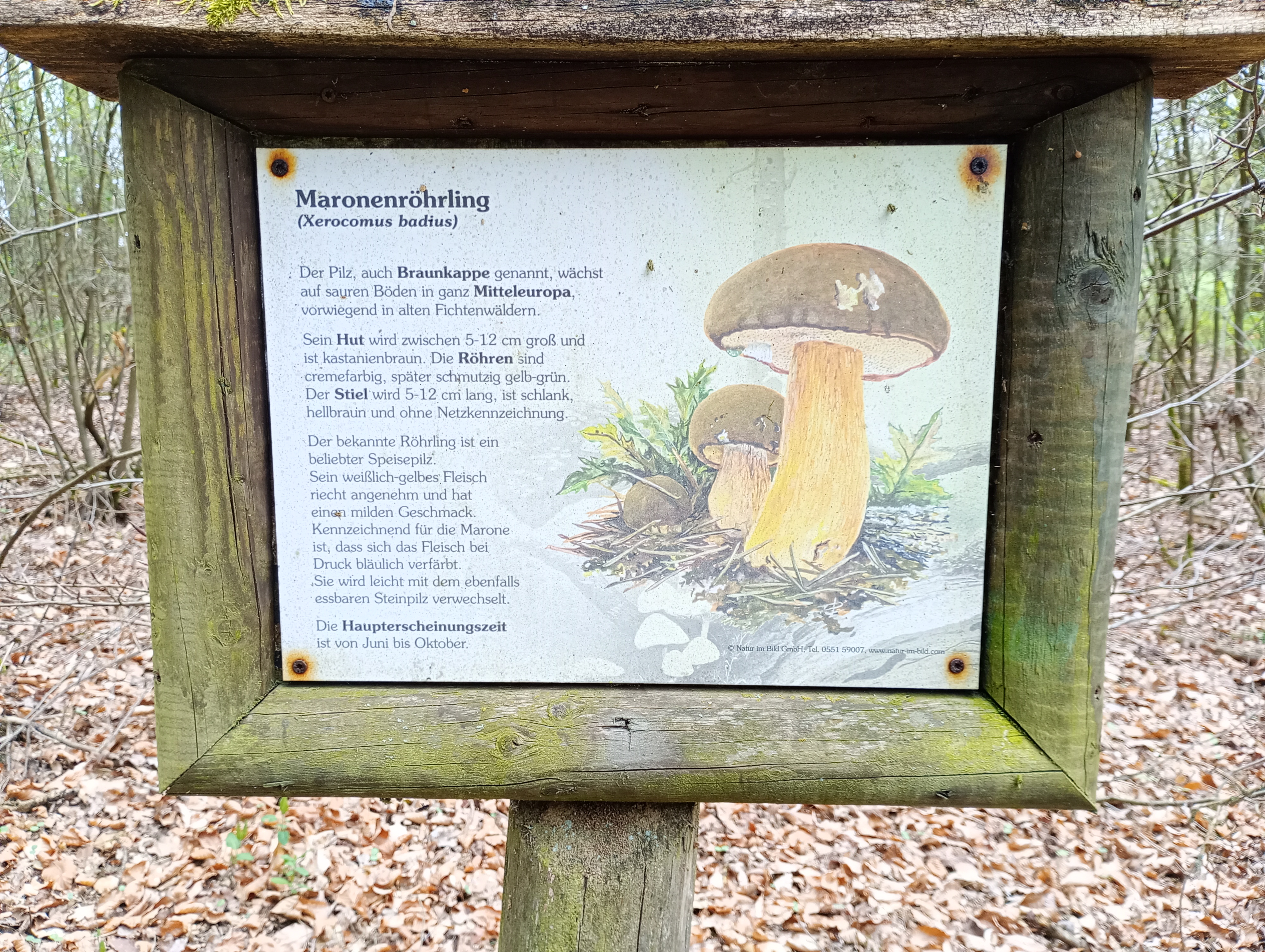
Between animals and plants, mushrooms share features from two worlds, build staggering networks underground and play an important role in dismantling stuff. And we make medicine out of them.
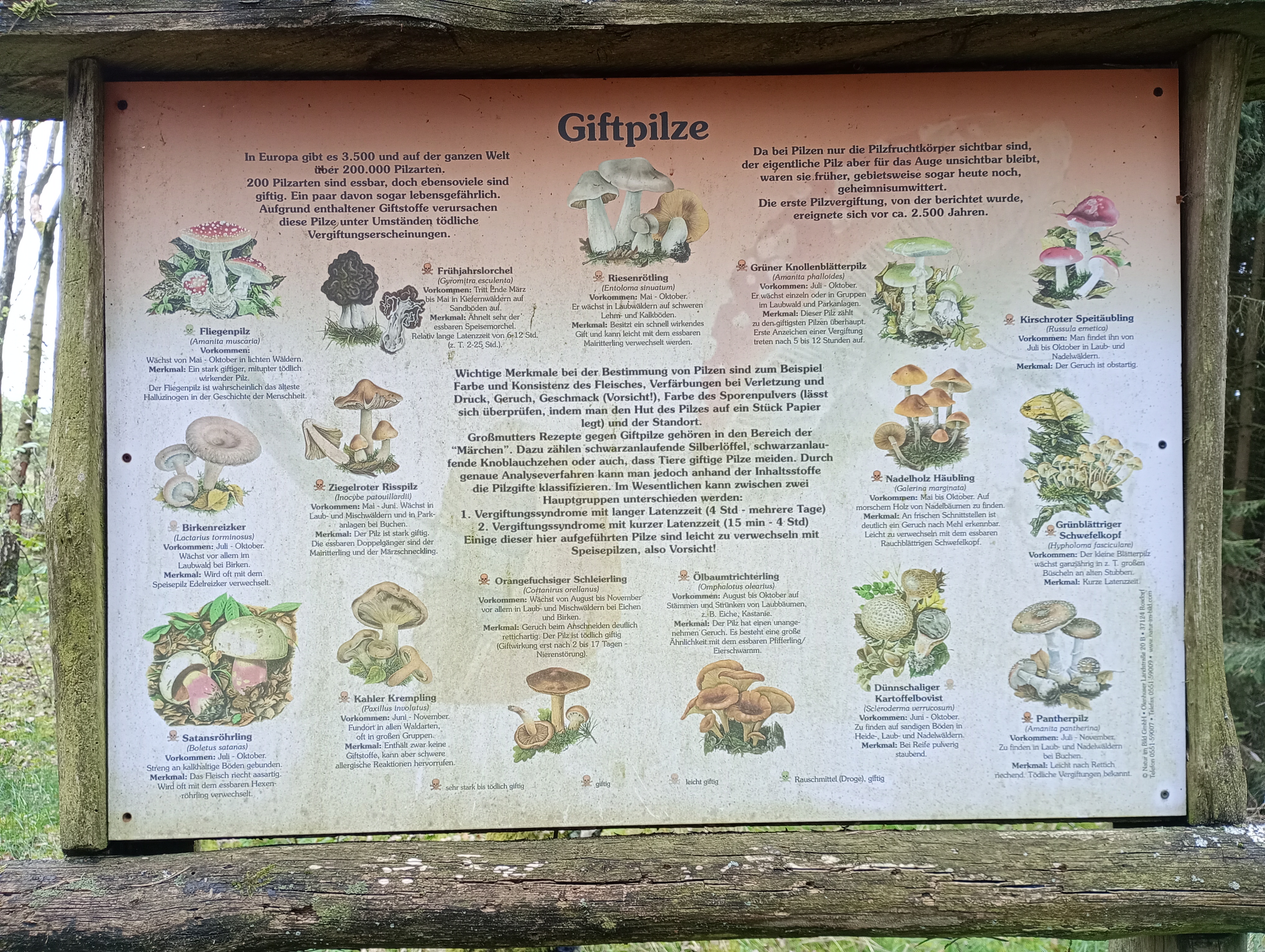
It is worth noting that these images actually show the fruitbodies of mushrooms - the mycelium itself can barely be seen by eyes although it builds huge networks.
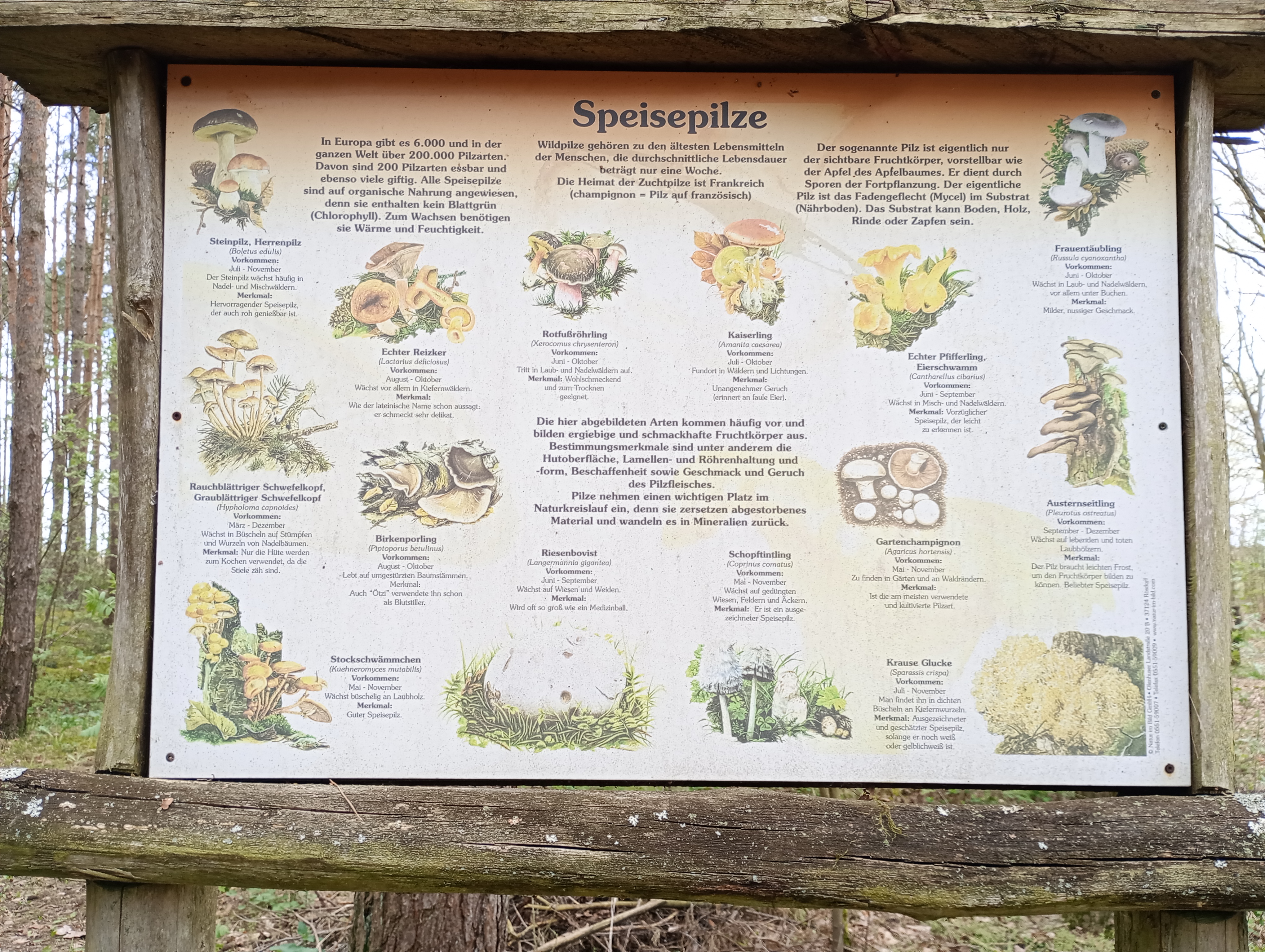
Samples of mushrooms
Learn more about the champignons of this world.
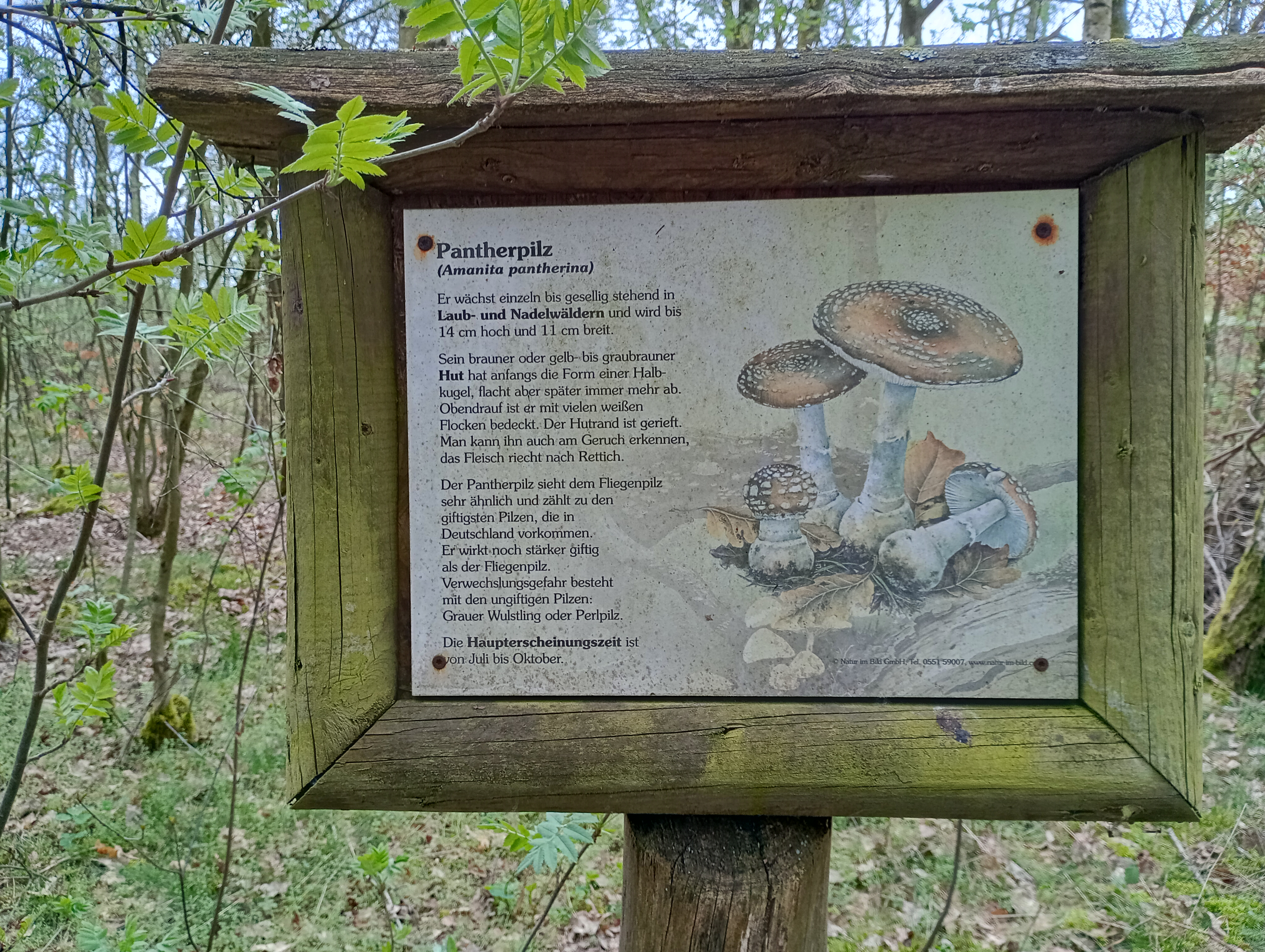
Perlpilz
Maronenröhrling
Fliegenpilz
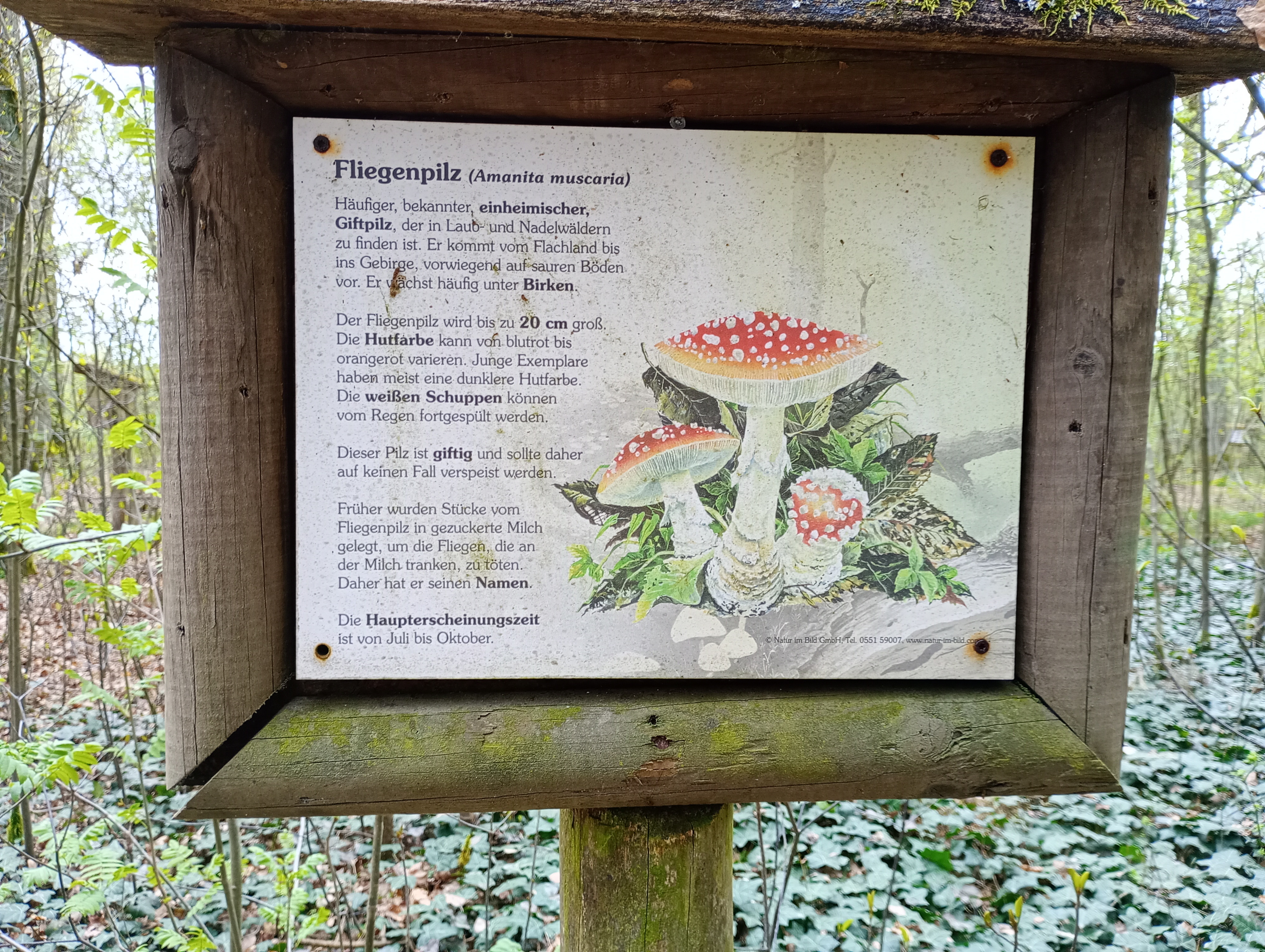
Don't be fooled into thinking they realy fly.
Steinpilz
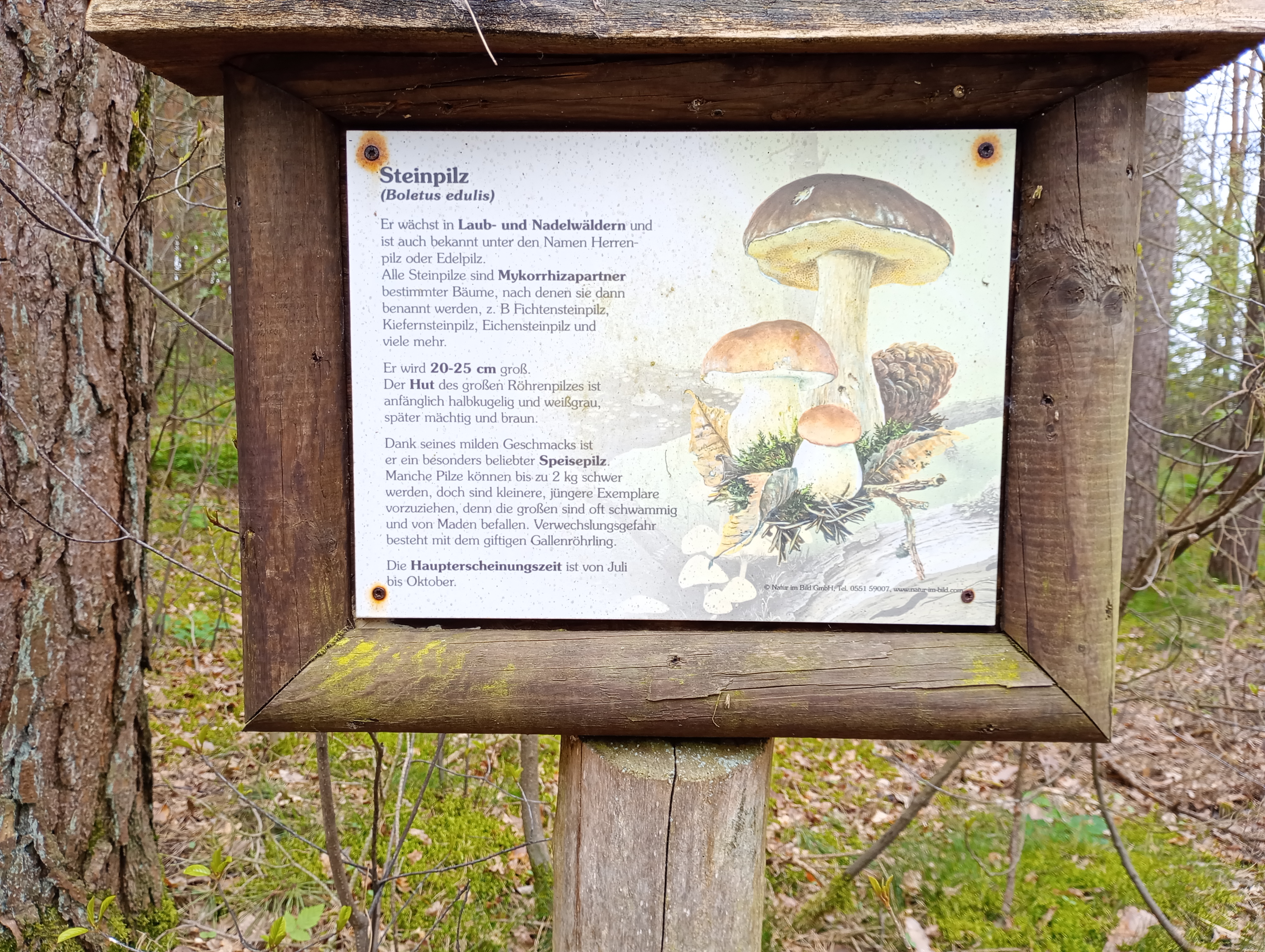
No, these aren't made of stones.
Satansröhrling
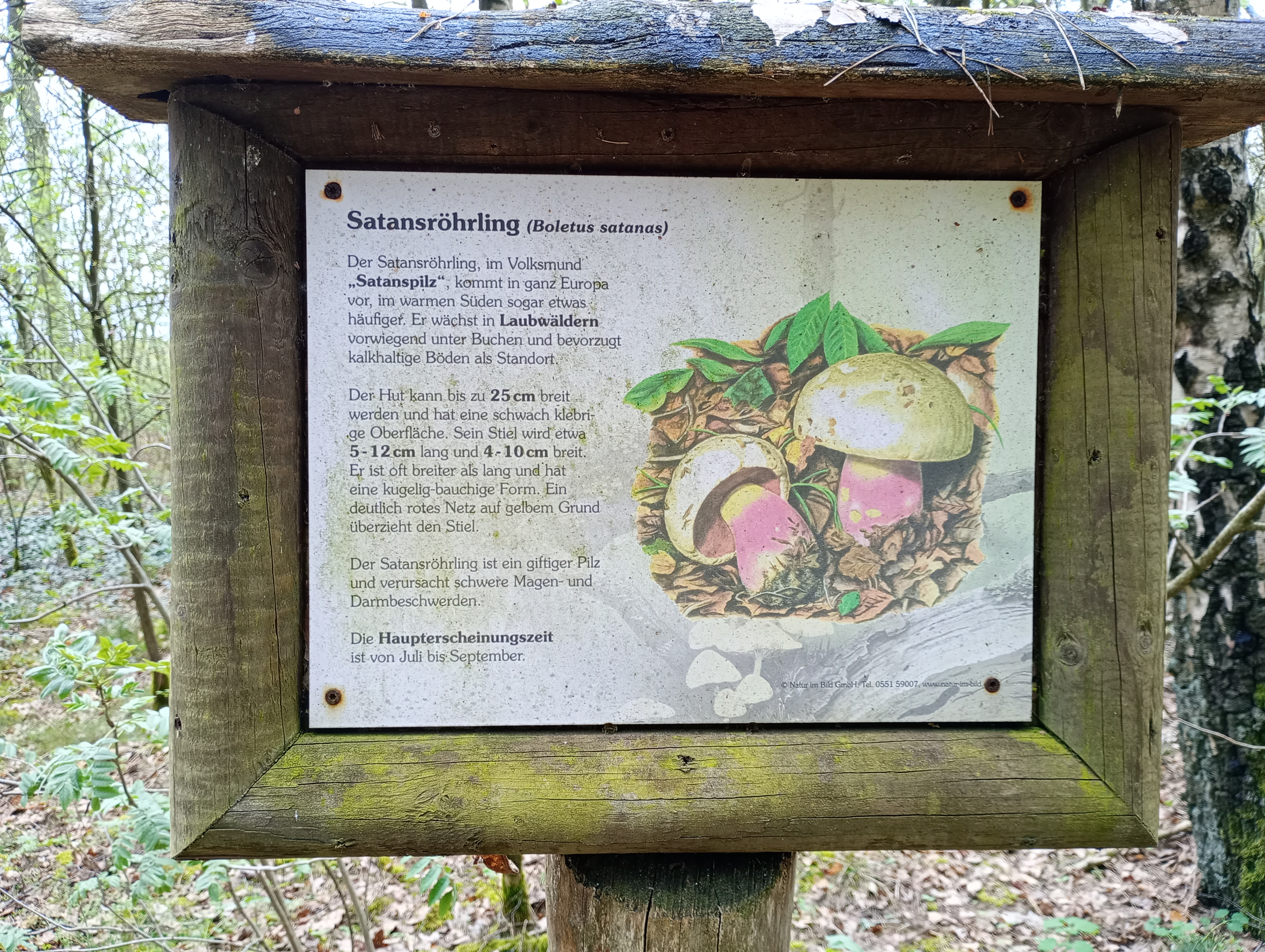
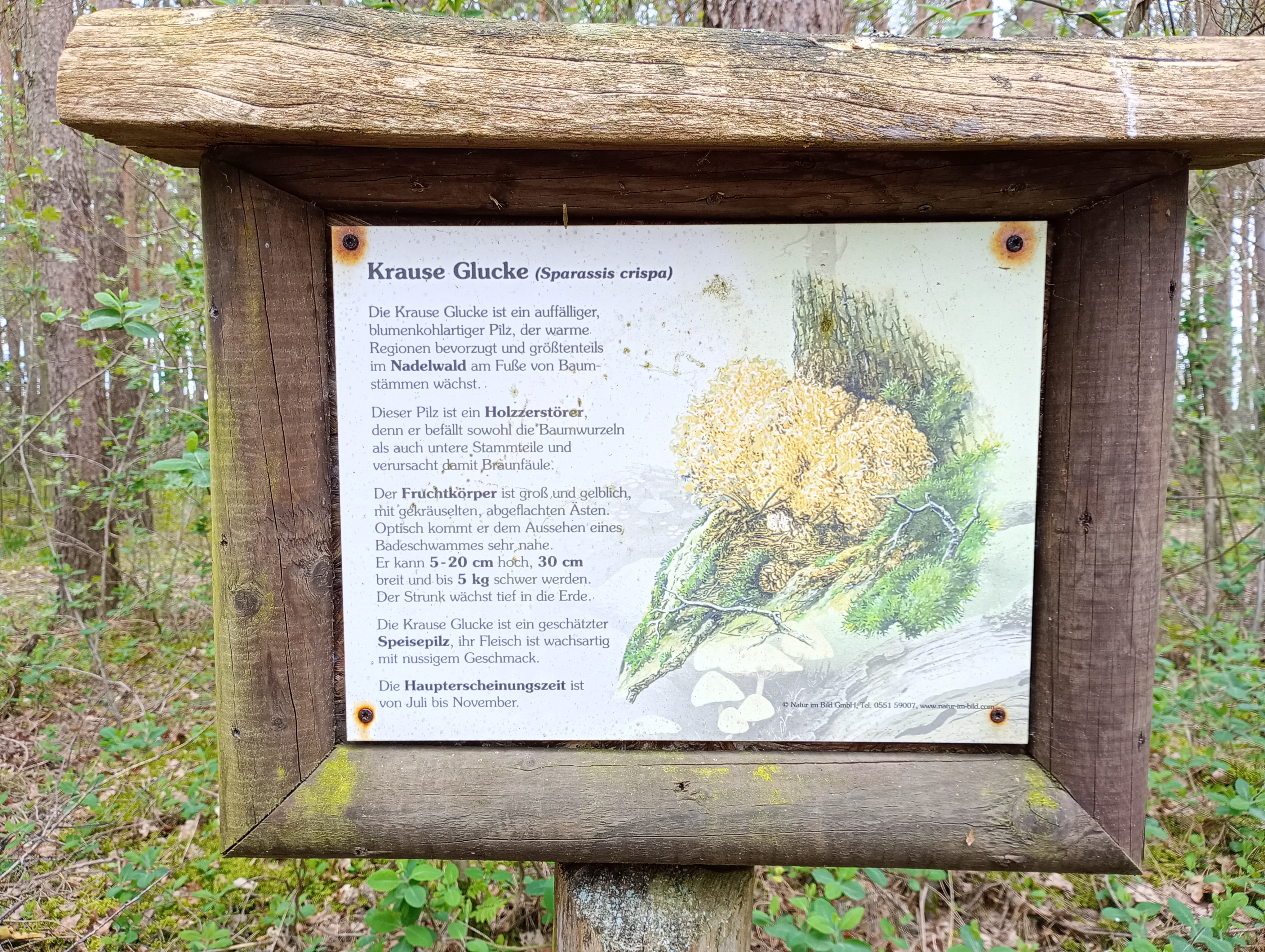
Krause Glucke
Pantherpilz
Animals
Fledermäuse
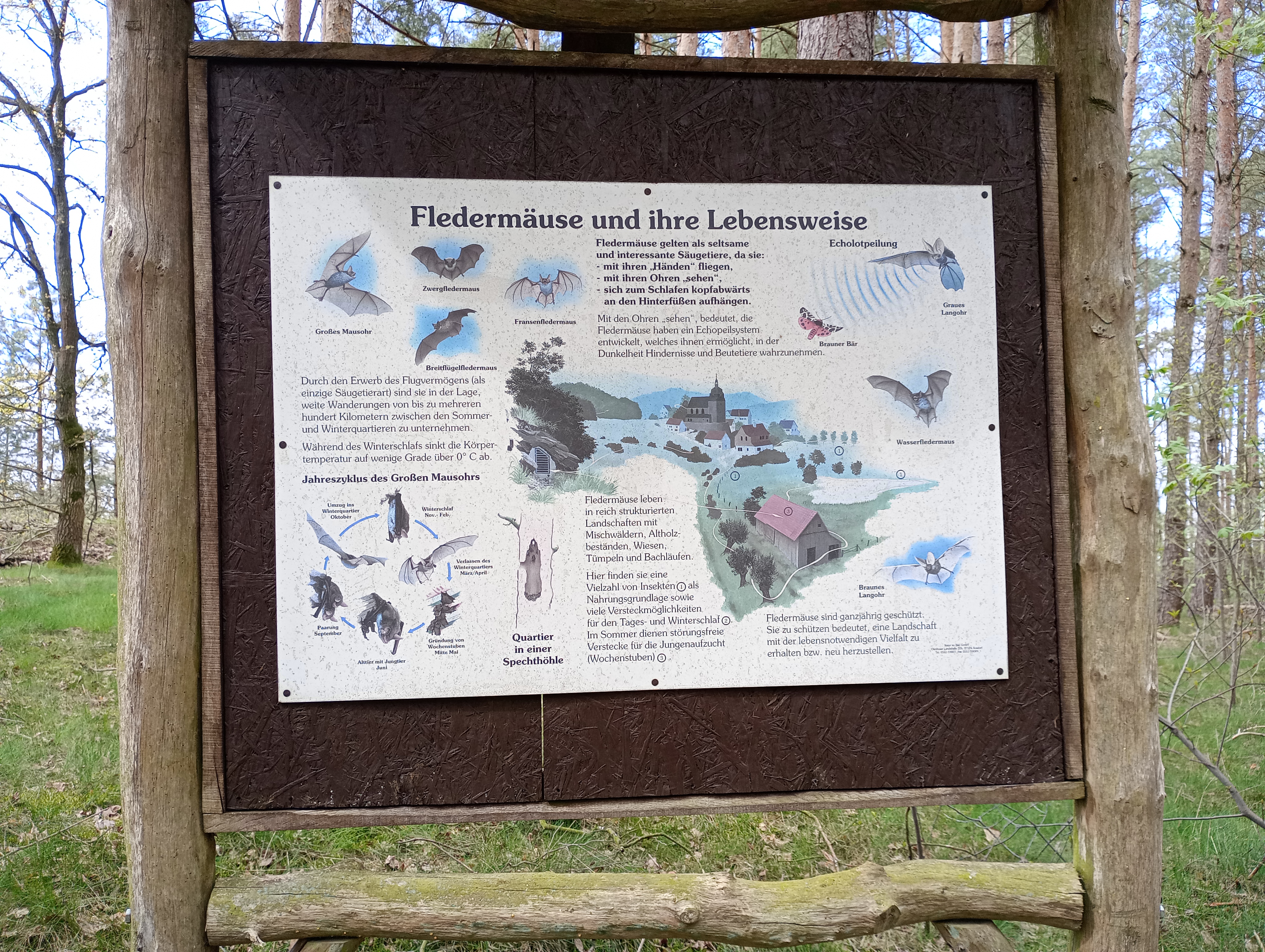
A rare mammal capable of real flying with the amazing skill of using sound waves to navigate and find food.
Spechte
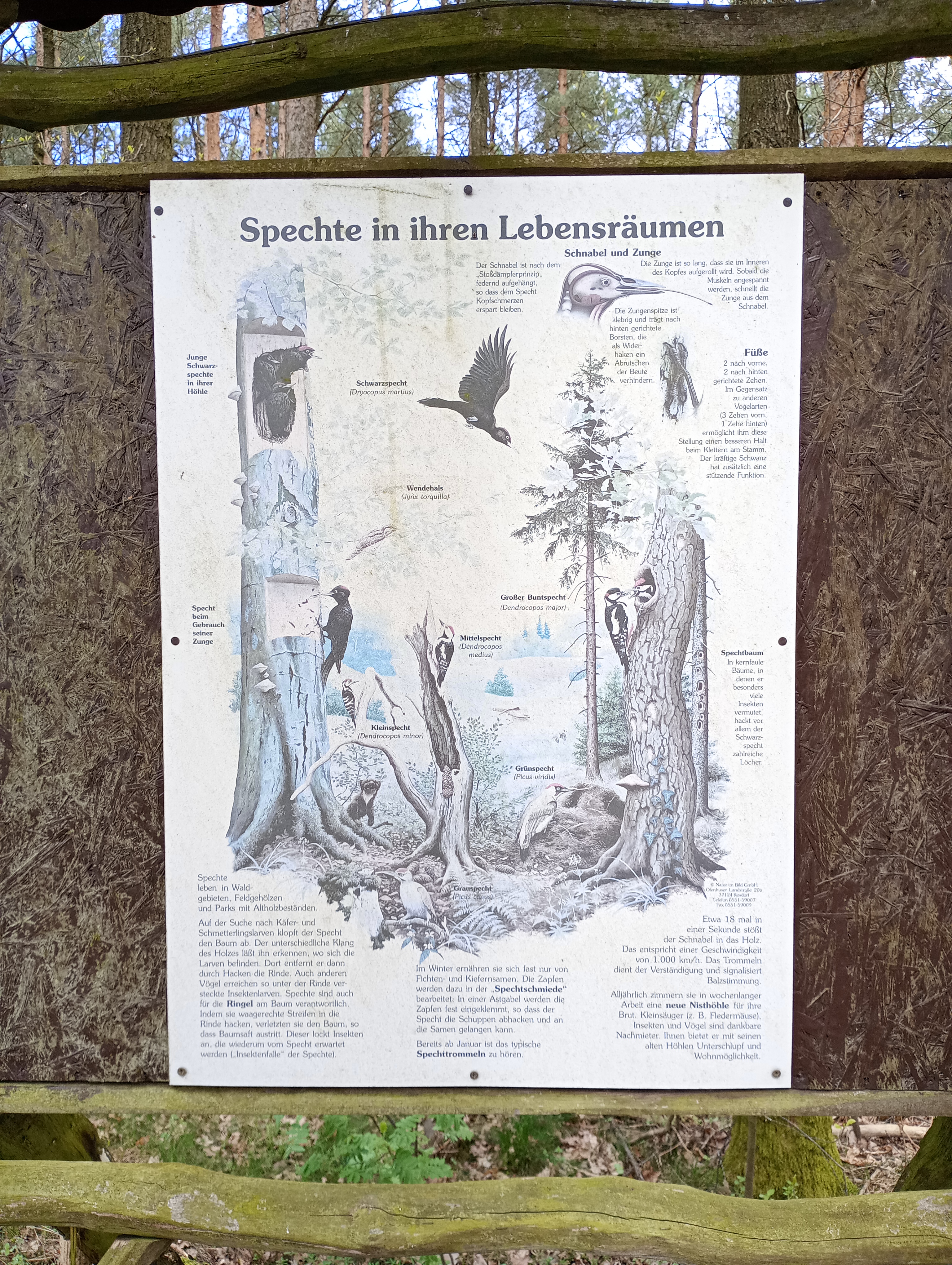
There is so much interesting stuff to know about Spechte, including the fact that their tongue is that long it has to be wrapped up to fit in the body. Have you known that the sounds of Grünspechte are quite different of those we usually expect to hear from Specht-birds? It is kind of a laughing sound.
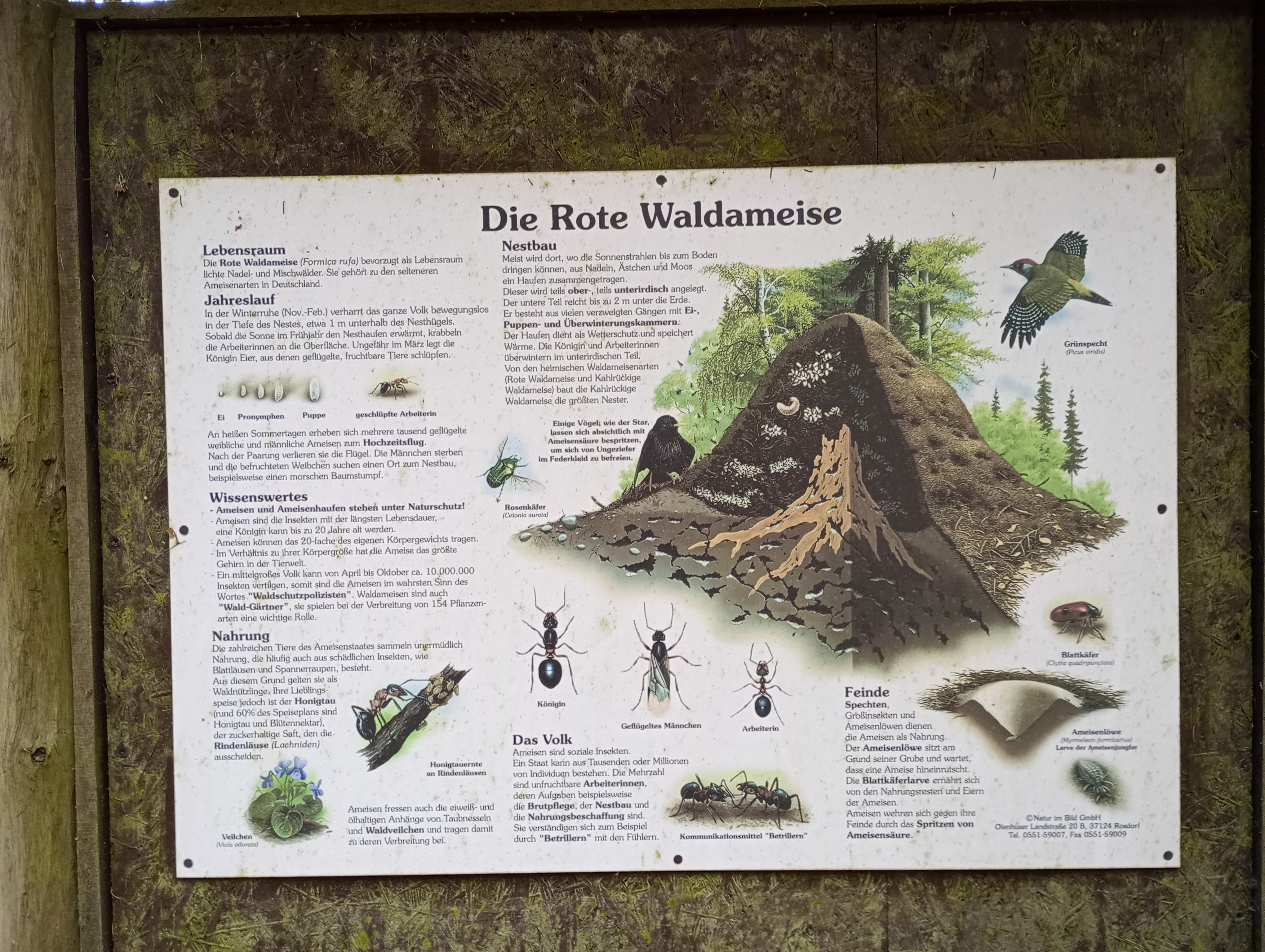
Ameisen